

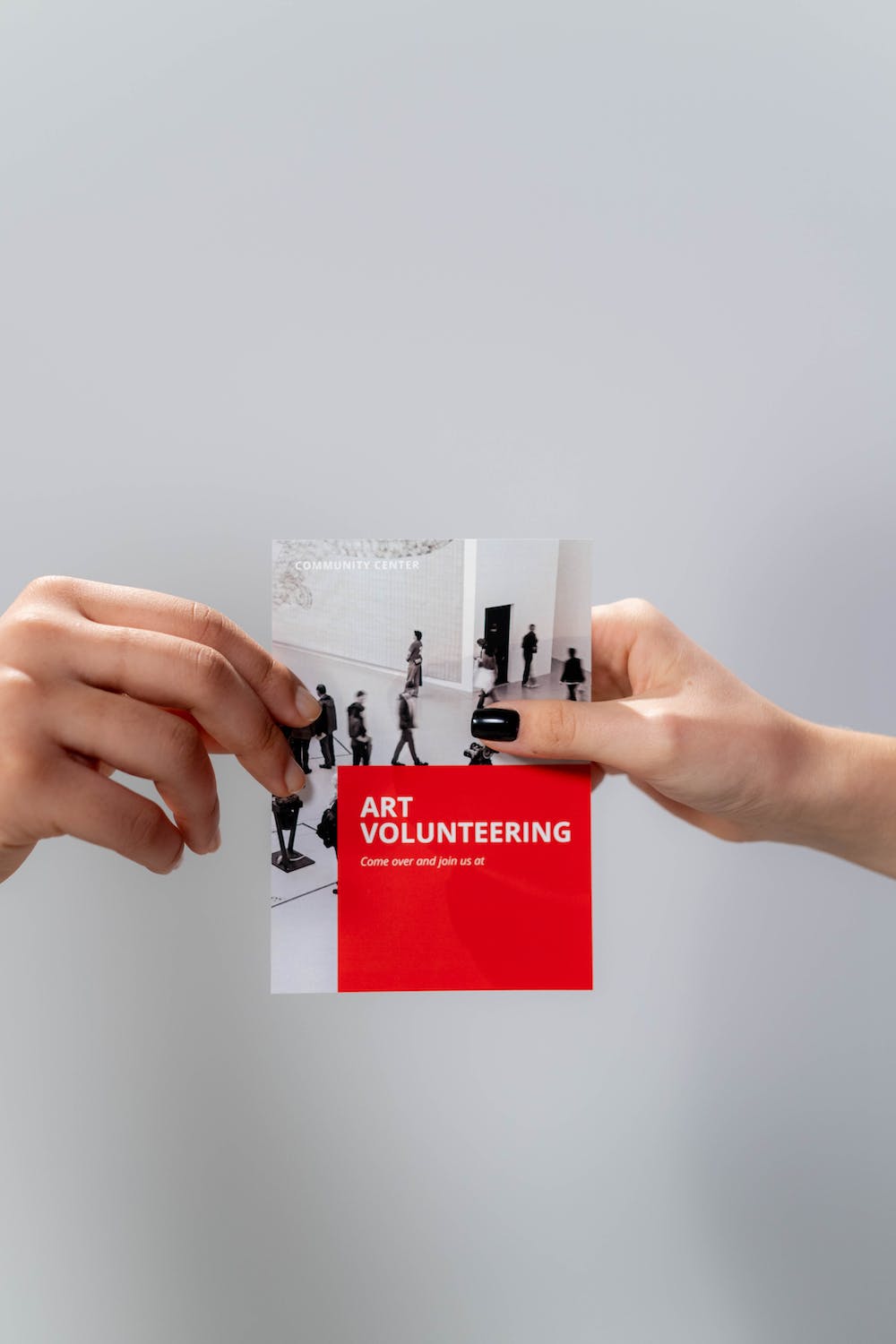
Good design is essential for any printed materials you produce. It can have a big impact on how your message is received by your audience and can even affect the overall success of your marketing efforts. In this blog post, we will discuss the importance of design in printed materials and how it can help you achieve your goals. We’ll also share some tips on how to create effective designs that will make your printed materials stand out. Read on to find out more about the power of design in print!
How important is design?
Design is one of the most crucial elements when it comes to printing. The design of your printed material will affect the overall impact it has on your audience: playful, serious, or formal. A well-designed print job can catch the attention of potential customers and make them want to engage with your brand. On the other hand, a poorly designed print job can turn off your audience and make them disregard your message.
Your printed materials should represent your brand in the best way possible. Your design should be visually appealing and convey your message clearly. It’s not just about making things look pretty – it’s about creating a visual representation of your brand that resonates with your audience and drives them to action. Whether it’s business cards, brochures, flyers, or other printed materials, the design plays a significant role in determining how successful your campaign will be. A design that stands out can help you attract new customers and differentiate yourself from competitors. It can also help you establish your brand identity and create a lasting impression on your audience.
How can design affect your print job?
Design is one of the most important factors in creating effective printed materials. Your design can either make or break the success of your print job. A well-designed piece can draw in your audience and leave a lasting impression, while a poorly designed one can leave a negative impact on your brand.
Your design should not only be visually appealing but also effective in communicating your message. Your design should complement your brand identity and enhance the message you are trying to convey. The design elements such as font, color, and imagery play a crucial role in achieving this goal.
Poorly designed printed materials can result in a number of problems, such as lack of attention, miscommunication, and negative feedback. Your audience may struggle to read or understand your message, and the overall quality of your printed materials may suffer. This can lead to missed opportunities for engagement and conversions.
On the other hand, a well-designed print job can have a huge impact on your business. Your printed materials can become a powerful marketing tool, providing your brand with credibility, visibility, and memorability. With the right design elements, you can capture the attention of your audience and leave a lasting impression.
So, when planning your next print job, keep in mind the importance of good design. Consider working with a professional designer who can help you achieve your goals and create an effective design that complements your brand identity. With the right design, your printed materials can become a powerful tool for achieving your business goals.
What are some common design mistakes?
Design is a crucial component of any printed material. Whether it’s a brochure, business card, or flyer, design can make or break the success of your print job. Unfortunately, many people make design mistakes that end up hindering the effectiveness of their print materials. In this section, we’ll discuss some of the most common design mistakes and how you can avoid them.
One of the most common mistakes is using the wrong font size. Your font size should be legible and easy to read. Using a font that’s too small or too large can be frustrating for the reader and can cause them to lose interest quickly.
Another mistake is using low resolution web photos for print. When you print images that are meant for the web, they tend to look blurry and pixelated. This can detract from the overall look of your print materials. Instead, make sure you use high-resolution images that are meant for print.
Not leaving enough white space is another mistake. White space, or negative space, is the area around your design elements. It helps to balance the design and makes it easier to read. When there’s not enough white space, the design can look cluttered and overwhelming.
Using styles that don’t work together is also a common mistake. When you use different fonts, colors, and graphic styles that clash with each other, it can be distracting and confusing. Make sure your design elements work together to create a cohesive look and feel.
Design hierarchy is another important aspect of effective design. This means that certain design elements should stand out more than others, creating a visual hierarchy. When everything is the same size and color, the reader may not know where to look first or what’s most important.
Finally, not having a focus point is another mistake. A focus point is the main element of your design that draws the reader’s attention. Without a clear focus point, the design can feel aimless and ineffective.
By avoiding these common design mistakes, you can create effective printed materials that get your message across clearly and efficiently.
How can you avoid making these mistakes?
Once you’re aware of common design mistakes, the next step is to learn how to avoid making them. One way to do this is to proofread your design thoroughly before submitting it for print. Choose printing services that may help in providing packaging protoypes and prints. Simple spelling errors or typos can detract from the professionalism of your design and impact the effectiveness of your message.
Another helpful tip is to seek feedback from others. Show your design to a friend or colleague and ask for their honest opinion. This can help you identify any potential design flaws that you may have missed. Additionally, it’s important to keep your target audience in mind when designing your printed materials. Ask yourself questions like, “What is the purpose of this design? Who am I trying to reach? What is their demographic and what are their interests?” By aligning your design with your audience, you can ensure that it’s more effective in achieving your desired outcome.
Researching successful design trends and practices can also help you create more effective designs. For instance, looking at design examples that have won awards or garnered attention from industry professionals can inspire you to create more innovative designs.
Finally, creating a comprehensive design brief is an essential step in designing effective printed materials. This document outlines the purpose of the design, the target audience, the design elements needed, and any specific requirements for the job. By creating a detailed design brief, you can ensure that all stakeholders are aligned on the project and that the end result is more effective. By following these tips, you can avoid common design mistakes and create effective printed materials that resonate with your target audience and achieve your desired outcome.
How can you make sure your design is effective?
Creating an effective design for your printed materials requires attention to detail and a thorough understanding of your target audience. Here are some tips to help you ensure your design is effective:
- Define your message: Before starting on your design, define the message you want to convey to your audience. This will help you determine the appropriate design elements, including color scheme, typography, and imagery.
- Keep it simple: A cluttered design can distract your audience from your message. Keep your design simple, clean, and easy to read.
- Use high-quality images: High-quality images will make your design more visually appealing. Avoid using low-resolution images that can appear pixelated or blurry.
- Choose the right colors: Color plays an important role in design, and choosing the right color scheme can impact the overall effectiveness of your print job. Choose colors that are consistent with your brand and that will appeal to your target audience.
- Pay attention to typography: Typography can greatly affect the legibility of your printed materials. Choose fonts that are easy to read, and avoid using too many different fonts in a single design.
- Test your design: Before finalizing your design, test it with a small group of your target audience. This will help you determine whether your design is effective and whether any changes are necessary.
By following these tips, you can create a design that is effective in communicating your message to your audience and achieving your print job’s desired outcomes. Remember, a well-designed print job can leave a lasting impression on your audience and set you apart from your competitors.

Leave a Reply