

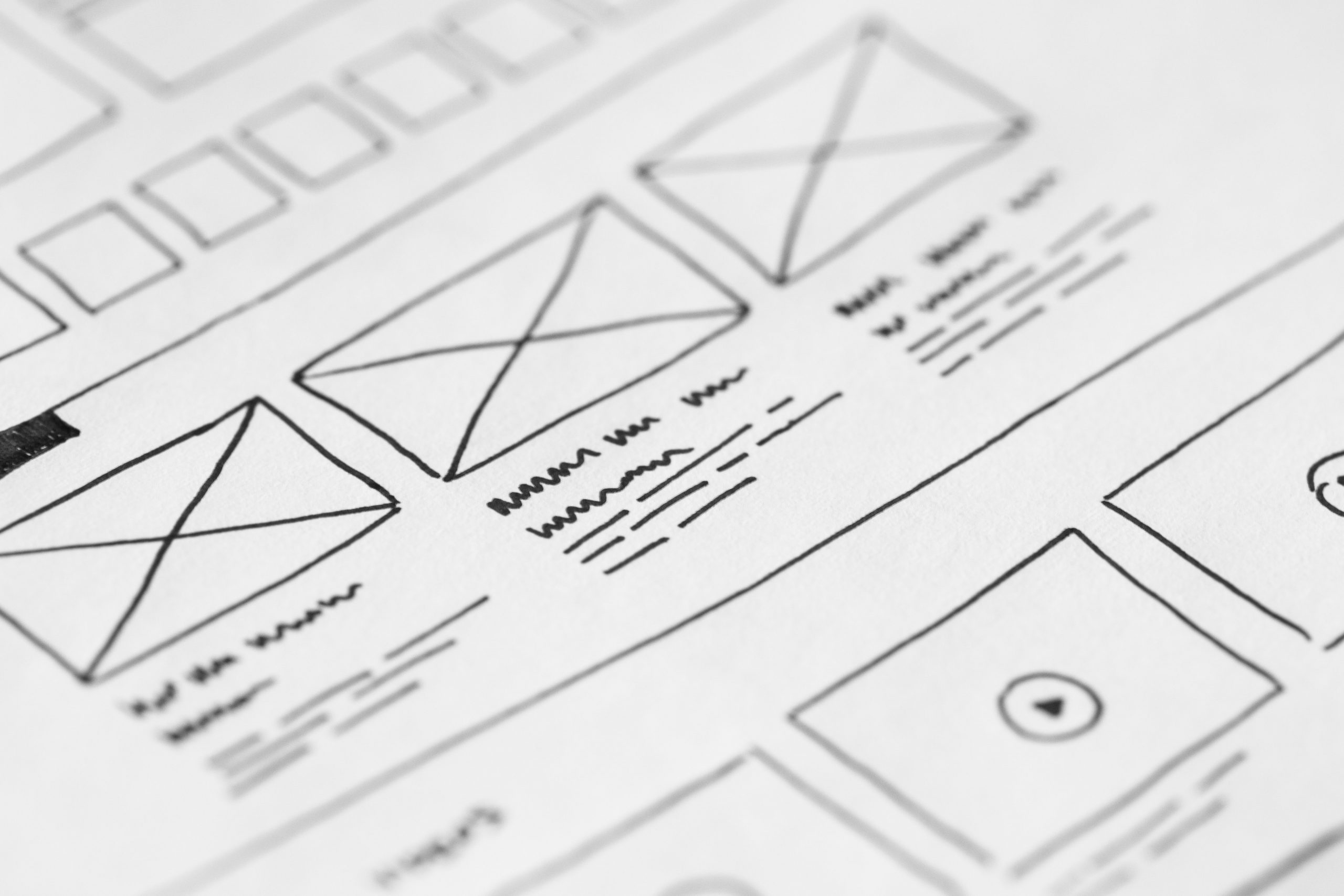
Website design is often thought of as a daunting task, but it doesn’t have to be. It’s important to have realistic expectations for the process and know that there may be some common pitfalls along the way. In this blog post, we’ll dive into the topic of website design and discuss the common disappointments that many people experience. We’ll talk about why these issues occur and provide tips for avoiding them. So join us for some real talk about website design, and get ready to prepare yourself for success!
- The home page is everything
- Aesthetics are more important than function
- DIY website design is a good idea
- My website should be an exact replica of my competitors’
- I don’t need a mobile version of my website
- Once the website is launched, we’re done
When it comes to website design, it’s easy to assume that the home page is everything. After all, it’s the first thing visitors see when they land on your site, right? While it’s certainly important to make a good first impression, there’s more to website design than just the home page.
In fact, putting too much emphasis on the home page can actually be detrimental to your website’s overall performance. Instead of focusing solely on the aesthetics of the home page, it’s important to consider the entire user journey. How will visitors navigate through your site? What information do they need to find? How can you guide them towards your end goals?
This is especially true in the case of website design in Australia. With so much competition online, it’s not enough to simply have a flashy home page. Your website needs to be intuitive, user-friendly, and informative throughout. Otherwise, visitors will quickly lose interest and move on to the next option.
So, while the home page is certainly important, don’t make the mistake of thinking it’s everything. Take a holistic approach to your website design, and focus on creating an experience that will keep visitors engaged and interested from start to finish.
It’s easy to get caught up in the aesthetics of website design. After all, we want our website to look beautiful and make a good first impression on visitors. But sometimes, we prioritize aesthetics over function, which can lead to disappointment. In website design Australia, it’s important to remember that function should always come first. Yes, aesthetics are important, but they shouldn’t be prioritized over usability and user experience. Visitors to your website need to be able to easily navigate and find what they’re looking for, and if your website is all show and no substance, they’ll quickly move on.
One common mistake in website design is using too many large images or videos that take a long time to load. While these might look beautiful, they can slow down your website’s load time, which can be frustrating for visitors. Instead, focus on using high-quality images that are optimized for the web and won’t slow down your website.
Another issue with prioritizing aesthetics over function is that it can make your website difficult to use on different devices. In today’s mobile-first world, it’s crucial to design a website that is responsive and works well on all devices, from desktop computers to smartphones and tablets.
So while it’s important to have a visually appealing website, don’t forget about function. Prioritize usability and user experience, and you’ll have a website that not only looks great but is also easy to use and navigate.
Many businesses try to cut costs by designing their website themselves or by hiring an inexperienced designer. However, this is one of the biggest mistakes you can make. While DIY website design might seem like a good idea at first, it can lead to a range of problems.
First of all, designing a website requires a range of skills that the average person may not possess. A professional website design company in Australia will have expertise in areas such as web design, graphic design, user experience, coding, and SEO. By hiring an experienced team, you can ensure that your website is functional, visually appealing, and easy to navigate.
Secondly, a poorly designed website can negatively impact your business. Users may have a difficult time navigating your site, which can result in high bounce rates and lower conversions. Additionally, your website’s appearance can reflect on your brand. If your website looks unprofessional or outdated, users may perceive your business in the same way.
Lastly, designing a website yourself or hiring an inexperienced designer can actually end up costing you more money in the long run. If you have to hire someone to fix or redesign your website, it can be more expensive than if you had just hired a professional design team from the beginning.
One common misconception when it comes to website design is that your website should look and function exactly like your competitors. While it may seem like a good idea to follow the lead of those who are successful in your industry, simply copying their website can actually be detrimental to your own success.
For starters, your competitors’ website may not necessarily be the best design for your own business and target audience. Different businesses have different goals, and therefore require different website layouts and features. Additionally, if your website is too similar to your competitors’, it can make it difficult for your brand to stand out and establish its own identity.
Furthermore, simply copying your competitors’ website can come across as unoriginal and uninspiring to potential customers. Instead, take inspiration from your competitors and use it as a starting point to create a website that is uniquely tailored to your business and its objectives. Work with a reputable website design agency in Australia to develop a website that stands out from the crowd, and showcases your brand’s unique qualities and value proposition.
Let’s face it, many people still underestimate the importance of having a mobile version of their website. With more and more people accessing the internet via their smartphones, having a responsive website is more crucial than ever before. Yet, some business owners still think they can get away with not investing in a mobile version of their website.
This is a mistake. Not having a mobile-friendly website design can severely impact your online presence. Users who visit your website on their mobile device and can’t navigate it properly will quickly leave and move on to a competitor who offers a better experience. This means lost sales and potential customers.
Furthermore, having a responsive website is now a ranking factor for search engines such as Google. If your website isn’t mobile-friendly, you’ll find it harder to rank well on search engine results pages (SERPs), ultimately resulting in less traffic and less business.
So, if you’re serious about your online presence and business success, investing in a mobile version of your website is essential. As a leading website design Australia company, we always recommend responsive web design for our clients. With more people using their mobile devices for browsing, shopping, and consuming content, a mobile-friendly website is no longer optional, but necessary.
This is one of the most common and damaging misconceptions about website design. Many people believe that once their website is designed, developed, and launched, they can just sit back and relax, without worrying about it ever again.
It’s important to approach website design as a continuous process, rather than a one-time event. Regularly reviewing and updating your website’s content, design, and functionality can help you stay ahead of the curve and provide the best possible user experience for your visitors.
While it may be tempting to think of your website as a set-it-and-forget-it solution, the reality is that it requires ongoing attention and investment to remain effective. Don’t fall into the trap of underestimating the importance of ongoing website maintenance – it’s an essential part of ensuring the long-term success of your online presence.
Consumer preferences change over time, and website design needs to reflect that. What was trendy and eye-catching a few years ago may now come across as outdated or unprofessional. Keeping up with the latest design trends and user experience best practices can help you stay relevant and keep your visitors engaged.
Moreover, changes in technology can also affect the way users interact with websites. For example, the rise of mobile devices means that websites need to be optimized for smaller screens and touch-based navigation. Failing to keep up with these changes can lead to a frustrating user experience and a loss of potential business.
In short, website design is a dynamic process that requires ongoing attention and investment. By understanding the realities of website design, you can avoid common disappointments and set your website up for long-term success.


Leave a Reply