

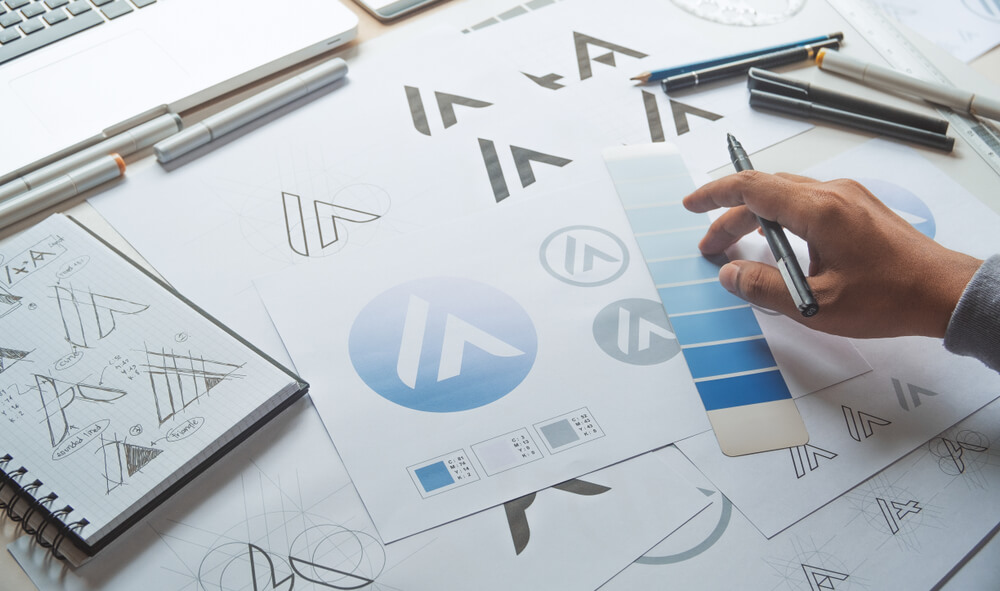
When starting their companies, leaders often wonder why branding is important and how to approach it. It may sound like an abstract concept with more nuances than one can encapsulate into their business’s DNA, but defining its meaning and value will help you understand it.
That includes diving into one of branding’s foundational aspects – the logo. These will become the pillars of your company’s reputation, style, values, goals, and interaction with your target audience.
If you struggle with getting them right, that will impact your overall success and whether you can convert leads, regardless of your industry. That’s why this article will guide you through everything you should know about branding and logos and how to nail their development.
What is Branding?
Branding is the craft and art of your unique business identity, manifesting in your products, services, and interactions inside and outside your company. It helps differentiate your company from competitors, be memorable, and connect more profoundly with your audience and stakeholders.
What is the Role of Branding Identity?
An effective branding strategy will ensure that people know who you are as a brand, what you do, and what matters to you. Moreover, it helps them easily describe your company and products with a few words.
The tricky part is that you can’t accomplish that merely by having a visually striking logo or a captivating slogan. Instead, it’s about creating an all-encompassing experience for customers they can associate with your brand.
Think about it this way: What comes to mind when you see Nike’s iconic swoosh? You may think of high-quality athletic apparel and shoes or their commitment to performance and innovation. That’s the power and importance of branding – it sparks a swift mental shortcut that helps people understand what your brand represents and what they can expect.
Branding also helps establish loyalty and trust with your customers. For instance, that is a crucial factor for 46 percent of people in whether they’re willing to pay extra for a service or product.
But it all comes down to authenticity, as 88 percent say that helps them determine what brand they’ll like and support. Many companies try to achieve that with flashy logos and visuals.
However, less is often more. A minimalist logo is versatile without being overly flamboyant, resulting in a professional look and print.
How Does a Logo Helps Visually Communicate Your Brand’s Identity?
A logo is a unique design symbol that visually represents your brand or company, helping it establish its distinctiveness and recognition. According to a StudyFinds survey, they’re so essential that 78 percent of people believe they’re works of art.
Logos symbolize a brand’s personality, values, and missions and can communicate a company’s industry and types of products through shapes and colors. As such, they’re typically the first point of contact between potential customers and your company.
For example, color makes up to 90 percent of a consumer’s first impression of a logo. As a result, it’s crucial to choose your brand’s colors wisely and avoid maximalism.
Over time, people have come to associate different shades with specific industries, trends, and characteristics” to make the sentence flow better. Technology brands typically use blue color, as it speaks reliability, innovation, and trust. On the flip side, food and beverage brands avoid it because, unlike red and yellow, it doesn’t stimulate appetite.
You must consider your niche, products, and services, as well as your brand’s key messages, when choosing logo shape, font, and color. Their combination should result in logical visual cohesion.
Why Should You Choose a Minimalist Logo?
Over 95 percent of the top 100 brands use only one or two colors in their logo. Generally, the most popular, well-known brands have simple, minimalist designs.
Apple, Adidas, Nike, Google, Coca-Cola, Airbnb, and Chanel have two things in common: minimalist visual identity and global success. Their sleek logos have undoubtedly contributed to their recognition, proving that you don’t have to aim for complex aesthetics to be memorable.
A minimalist logo is easier to recognize, and they’re also more versatile and adaptable to different mediums, such as print, digital, and mobile devices, ensuring consistency. Their effectiveness lies in the captivating ability to convey more clearly and directly what a brand’s identity, value, and missions are. – Minimalist design elements, such as simple fonts, shapes, and colors, help a brand communicate a sense of confidence, clarity, and sophistication, enhancing its appeal among consumers.
Another crucial characteristic of minimalist logos is that they’re timeless. Your business will likely mature and evolve with time, requiring marketing or product design changes. These transformations are also necessary to keep up with emerging trends and innovations and adapt to the current moment.
And guess what type of logo is the easiest to tweak? – If you said minimalist logos, you guessed right.
They can handle minor and more drastic changes without impacting brand recognition and personality. Plus, minimalist logos don’t have unnecessary ornaments and decorations that tend to become outdated.
In a nutshell, here are the top five benefits of having a minimalist logo:
- Versatile
- Memorable
- Timeless
- Consistent
- Easier and more cost-effective printing
Conclusion
Effective logos don’t overwhelm your eyes or leave you wondering what that brand is about. Instead, they convey clear and compelling messages, complementing a brand’s visual identity.
Hence, logos play a crucial role in branding, and rasterizing them is an essential step toward creating a professional and consistent image. By doing so, businesses can ensure their logos look sharp and clear across all mediums, including stationery and marketing collateral.
If you’re looking to unleash your brand’s full potential, consider reaching out to an experienced design team that can provide you with high-quality layout designs. Get in touch with our team at Zoozoo Printing to ensure your brand will connect with your target audience and ensure you stand out in a crowded market.

Leave a Reply